
Outdoor Wedding Tips for Northern California Couples
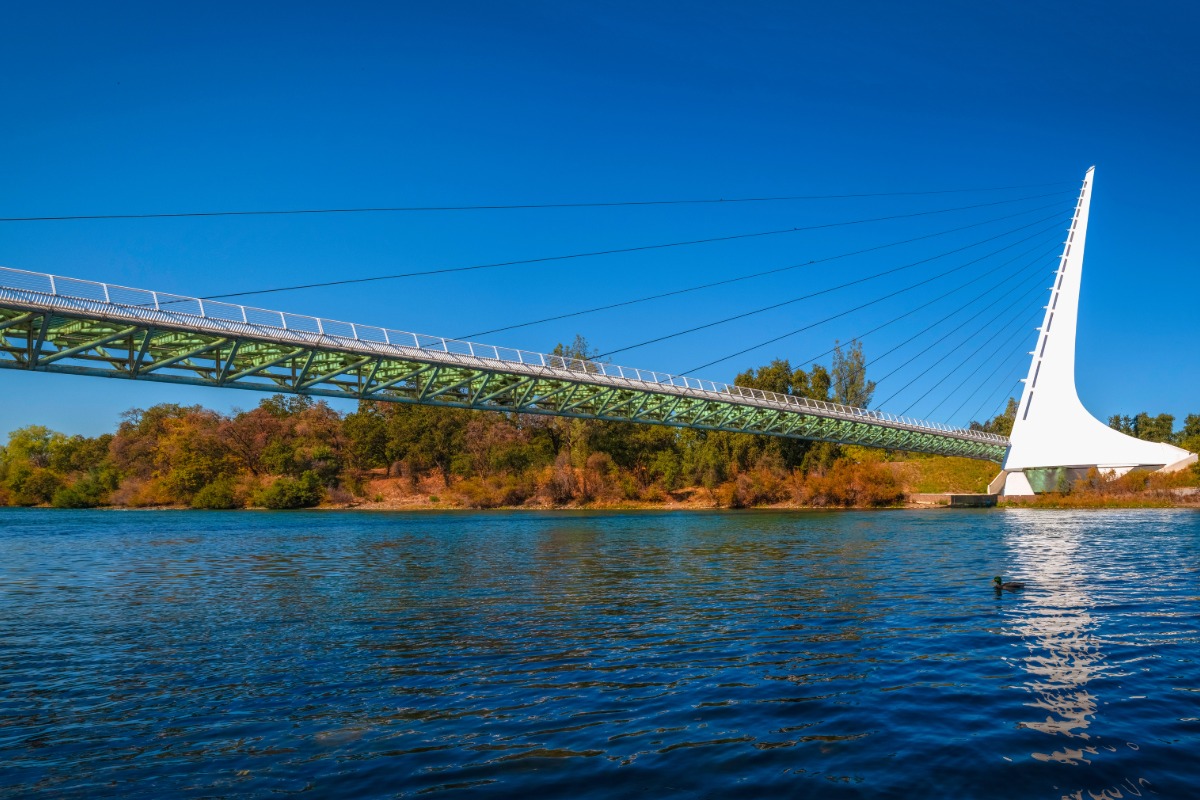
Outdoor weddings continue to be one of the most popular choices for couples planning their big day in Northern California. With scenic landscapes, open spaces, mountain views, vineyards, ranch properties, and beautiful seasonal weather, the region offers incredible opportunities for unforgettable celebrations.
At the same time, outdoor weddings require thoughtful planning. Weather, logistics, guest comfort, and timing all play a major role in creating a smooth and enjoyable experience.
If you’re planning an outdoor wedding in Redding, Chico, Red Bluff, or anywhere in Northern California, these practical tips can help you prepare with confidence.
Choose the Right Season for Your Wedding
Northern California offers distinct seasons, and each comes with its own advantages.
Spring weddings often bring green landscapes, blooming flowers, and mild temperatures. Summer offers long daylight hours and dependable weather, but some inland areas can become hot during the afternoon. Fall weddings are a favorite for many couples because of cooler temperatures and beautiful natural color changes. Winter weddings can be stunning as well, but weather conditions may require a stronger backup plan.
When selecting your date, think about both the look you want and the comfort of your guests.

Plan Around the Weather
Even in beautiful climates, weather can change quickly. Heat, wind, unexpected rain, and cooler evening temperatures should all be considered.
Have a backup plan in place for shade, tenting, heaters, or alternate indoor options if your venue allows it. If your wedding is during warmer months, schedule key outdoor moments later in the day when temperatures are more comfortable.
Preparing for weather doesn’t mean expecting problems—it means protecting your experience.
Prioritize Guest Comfort
One of the biggest keys to a successful outdoor wedding is making sure guests feel comfortable throughout the celebration.
Provide seating with enough space, access to water, and areas of shade when possible. Consider fans during warm months or blankets during cooler evenings. If the ceremony location is on grass, gravel, or uneven terrain, think about accessibility for older guests and anyone with mobility concerns.
When guests are comfortable, they can focus on celebrating with you.

Think Through Your Timeline
Lighting and temperature change throughout the day, so timing matters more at outdoor weddings.
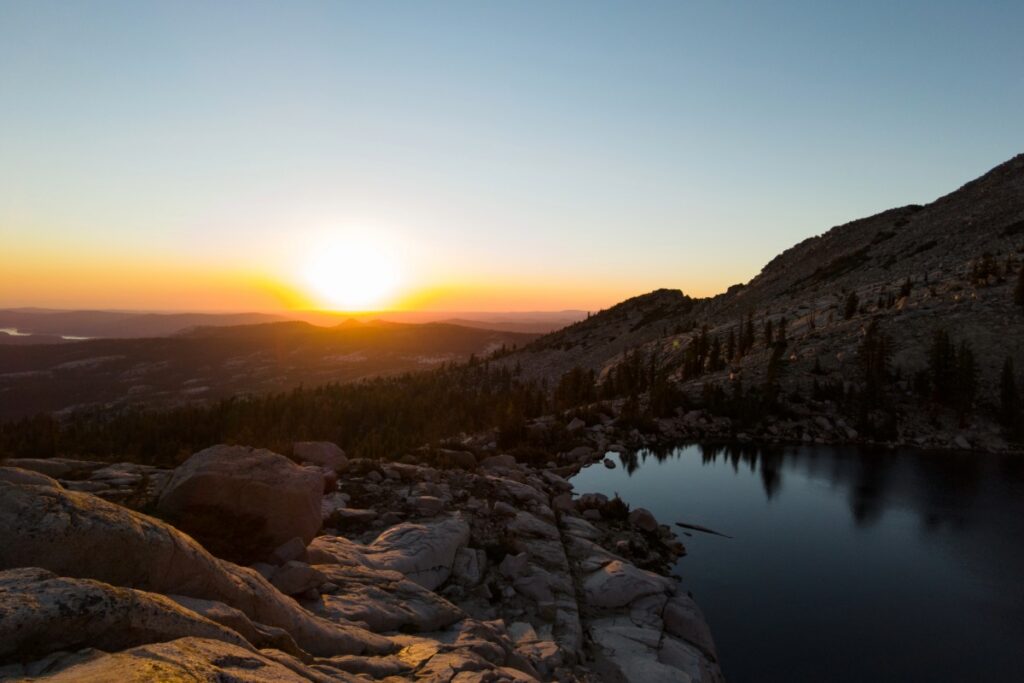
Many couples choose late afternoon or early evening ceremonies to avoid peak heat and take advantage of softer light for photos. Sunset can also create a beautiful transition into cocktail hour and reception.
Build extra time into your schedule for travel across the property, photo opportunities, and setup transitions between ceremony and reception spaces.
Use the Natural Setting to Your Advantage
One of the greatest benefits of an outdoor wedding is that nature already provides much of the atmosphere.
Scenic views, mature trees, gardens, barns, vineyards, or mountain backdrops can reduce the need for heavy décor. Instead of competing with the setting, enhance it with thoughtful floral accents, lighting, and personal details that complement the environment.
This often creates a more timeless and visually balanced look.
Prepare for Sound and Power Needs
Outdoor spaces can present technical challenges that indoor venues do not.
Make sure your ceremony music, microphones, reception entertainment, and lighting needs are discussed early. Some outdoor locations require generators or special equipment for sound coverage.
Planning these details in advance helps avoid stress and ensures guests can hear and enjoy every important moment.
Keep Food and Beverage Service in Mind
Catering and bar service can require additional coordination outdoors. Heat-sensitive foods, refrigeration, water access, serving areas, and guest flow should all be considered.
Choose vendors experienced with outdoor events whenever possible. A strong setup plan helps food service feel smooth and keeps guests happy throughout the celebration.
Have a Clear Communication Plan
Let guests know what to expect before they arrive.
Include helpful information on your wedding website or invitations such as outdoor terrain, parking details, dress suggestions, expected weather, or transportation instructions. Simple communication can prevent confusion and help everyone arrive prepared.